
Whether you’re a homeowner tackling a renovation, a DIY enthusiast, or a professional electrician, understanding electrical wiring colours in Australia is essential. Wire colour codes aren’t just about aesthetics – they’re a critical safety mechanism that helps prevent electric shocks, fires, and equipment damage. Getting them wrong can have serious, even fatal, consequences.
In Australia, electrical wiring colours are governed by the AS/NZS 3000:2018 standard – commonly known as the Wiring Rules. This standard ensures that every wire in a circuit can be quickly and accurately identified, whether it’s carrying live power, returning current, or providing a safety earth connection. In this guide, we’ll walk you through the current colour codes, explain how they differ from older systems, and cover the key differences between single-phase and three-phase wiring.
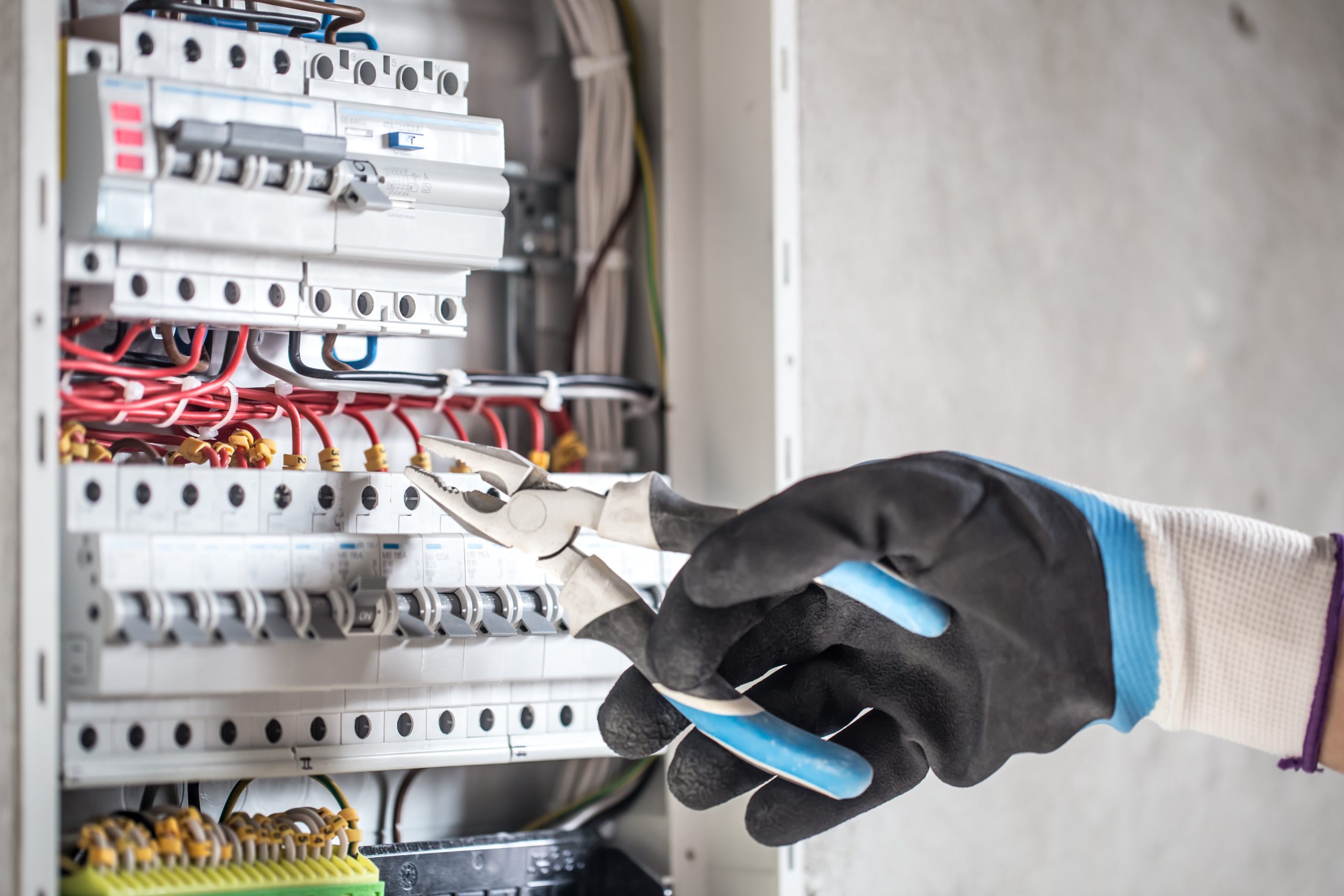
Understanding the Importance of Electrical Wire Colour Codes in Australia
Every wire in an electrical system serves a specific purpose. The active (live) wire delivers power from the source to your appliances. The neutral wire completes the circuit by returning current to the source. The earth wire acts as a safety net, diverting excess current into the ground in the event of a fault.
Colour coding makes it possible for electricians – and informed homeowners – to identify each conductor at a glance. This is vital for safety, efficiency, and compliance. Incorrect connections can lead to short circuits, electrical fires, or dangerous shocks. In fact, faulty wiring and appliances are responsible for a significant proportion of residential fires in Australia each year.
The AS/NZS 3000:2018 standard sets out the rules for designing, constructing, and verifying electrical installations across the country. All new wiring and upgrades must comply with these colour codes, and only licensed electricians are legally permitted to carry out fixed electrical work in most Australian states and territories.
Current Electrical Wiring Colour Codes in Australia
It’s important to understand that electrical wiring colours in Australia differ depending on whether you’re looking at fixed wiring (the cables installed inside your walls) or flexible cables (such as appliance power cords and extension leads).
Fixed Household Wiring
For standard 240V single-phase fixed wiring – the cables that run through your walls, ceiling, and switchboard – Australian homes, including all new builds, use the following colour codes:
Active (Live) Wire – Red: The red wire carries electrical current from the power source to your appliances and devices. This is the most dangerous wire in the circuit, as it is always energised when the power is on.
Neutral Wire – Black: The black neutral wire completes the electrical circuit by carrying current back to the power source. While it doesn’t carry voltage under normal conditions, it can still be hazardous if the wiring is faulty.
Earth Wire – Green: The green earth wire is a vital safety conductor. It directs stray current safely into the ground in the event of a fault, protecting people from electric shock.
Flexible Cables (Appliance Cords and Extension Leads)
For flexible cables – such as the power cords on your appliances and extension leads that plug into your power points – Australia follows the internationally harmonised colour codes set by the International Electrotechnical Commission (IEC):
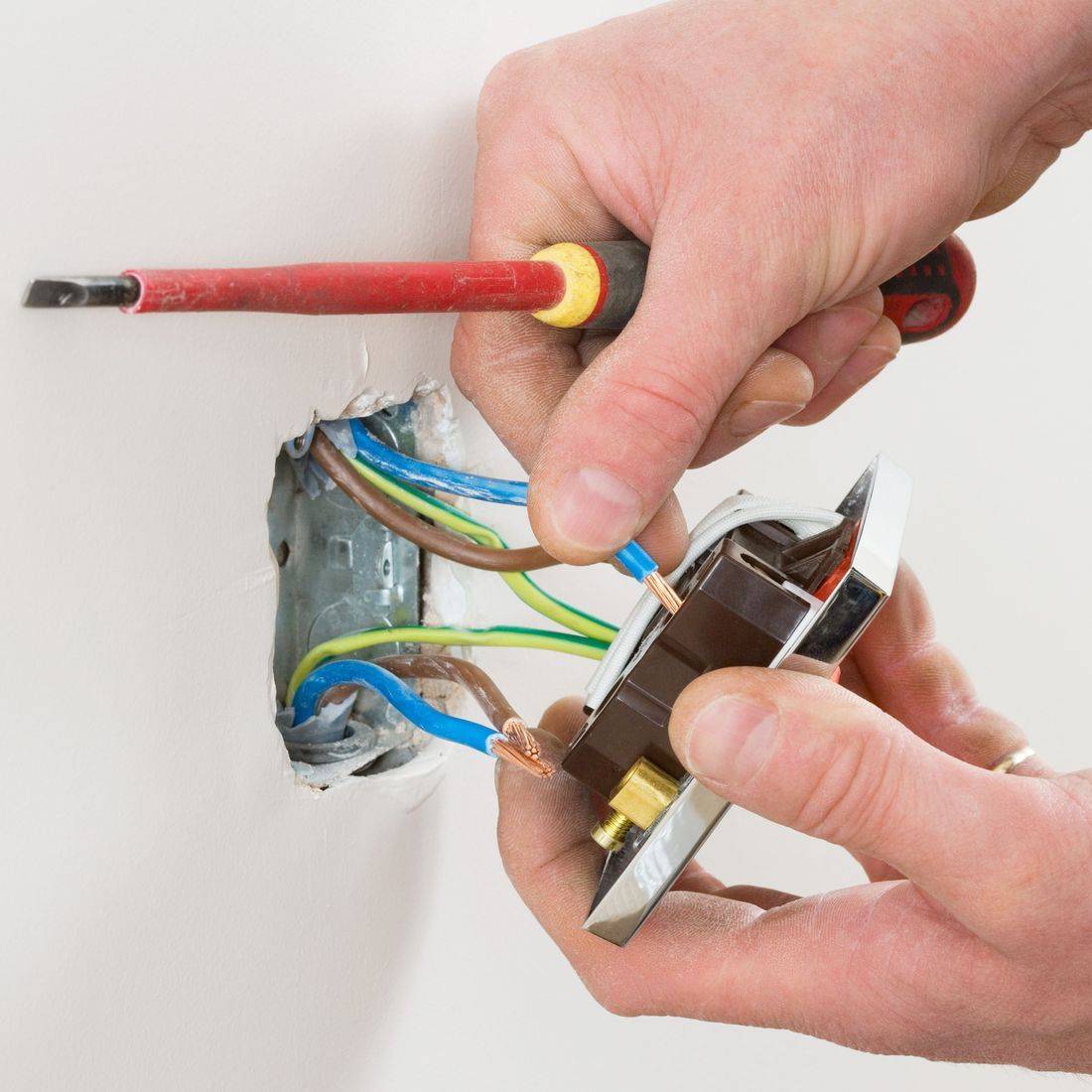
Active (Live) Wire – Brown: The brown wire carries current from the plug socket to the appliance.
Neutral Wire – Blue: The blue wire completes the circuit by returning current to the power source.
Earth Wire – Green/Yellow: The green and yellow striped wire provides the safety earth connection.
Understanding the difference between these two colour schemes is essential. If you’re working behind a power point or inside a switchboard, you’ll encounter the red, black, and green fixed wiring colours. If you’re wiring a plug or inspecting an appliance cord, you’ll see the brown, blue, and green/yellow flexible cable colours.
Navigating Old vs New Electrical Wiring Colours in Australia
Australia updated its wiring colour codes around the year 2000, aligning with international standards set by the International Electrotechnical Commission (IEC 60445). Subsequent updates in the AS/NZS 3000:2018 edition reinforced these modern colour codes.
This is where things can get dangerous. For example, a black wire in an older system is neutral – but in the modern three-phase standard, black is used as a live phase conductor. If someone assumes a black wire is neutral in a newer installation, the result could be a serious shock or worse.
Older wiring doesn’t necessarily need to be replaced just because it uses the old colours – as long as it was compliant at the time of installation and remains in good condition. However, any new work, repairs, or upgrades must use the current colour codes as specified by AS/NZS 3000:2018. If you’re renovating an older home, always have a licensed electrician inspect and verify the existing wiring before any connections are made.
Key Differences in Single-Phase vs Three-Phase Wiring Colours
Most Australian homes run on a single-phase 240V power supply, which uses the three wires described above: brown (active), blue (neutral), and green/yellow (earth). This setup is sufficient for typical household loads such as lighting, power points, and standard appliances.
Three-phase power, on the other hand, is commonly used in commercial buildings, industrial facilities, and larger residential properties that require higher electrical capacity. A three-phase system uses multiple active wires to deliver power more efficiently and with greater stability.
The current Australian three-phase wiring colours are:
- Phase 1 (L1): Brown
- Phase 2 (L2): Black
- Phase 3 (L3): Grey
- Neutral: Blue
- Earth: Green/Yellow
Under the older standard, three-phase wiring used a different set of colours: red for Phase 1, white for Phase 2, and blue for Phase 3, with black for neutral and green for earth. The shift to brown, black, and grey brings Australian three-phase wiring in line with international conventions, reducing confusion when working with imported equipment or collaborating across borders.
It’s worth noting that three-phase wiring should only ever be handled by a licensed electrician, as incorrect phase connections can cause severe equipment damage or dangerous electrical faults.
Common Mistakes Avoided with Proper Wiring Colour Identification
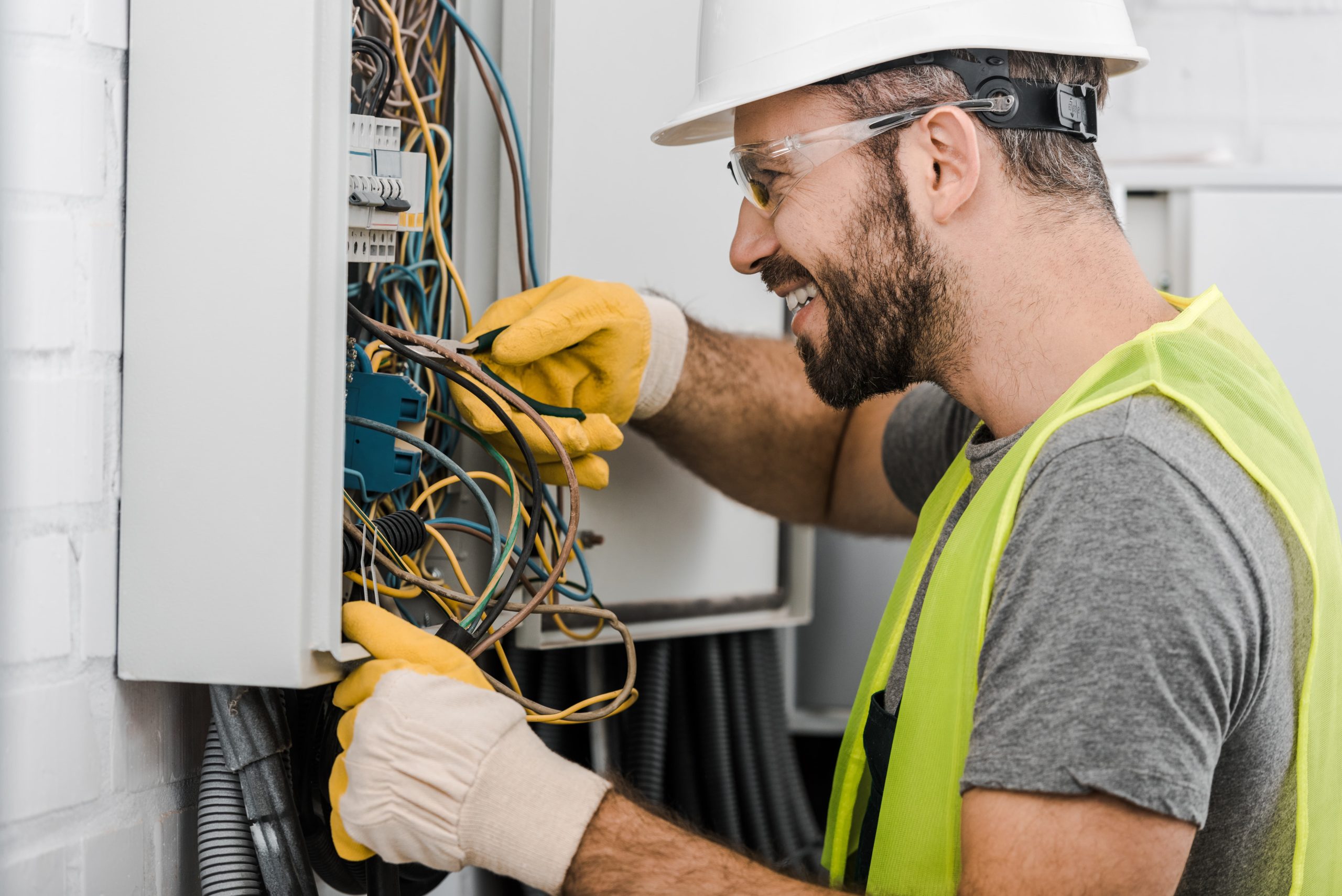
Even experienced professionals can run into trouble when dealing with electrical wiring colours, particularly in older properties. Here are some of the most common mistakes and how to avoid them:
Confusing old and new colour codes. The overlap between old and new systems is a major source of error. A black wire could be neutral (old standard) or a live phase conductor (new three-phase standard). Always verify wire function with a voltage tester – never rely on colour alone in older installations.
Assuming all wiring in a home follows the same standard. Previous renovations or unlicensed repairs may have introduced a mix of old and new wiring within the same property. Conduct a thorough inspection before beginning any electrical work.
Neglecting the earth wire. Some older homes may have earth wires that are bare or poorly insulated. The earth connection is critical for safety, and any damaged or missing earth wiring should be addressed immediately by a professional.
Attempting DIY electrical work. In Australia, it is illegal for unlicensed individuals to carry out most types of fixed electrical work. The risks of incorrect wiring – including electrocution and house fires – are simply too great. Always hire a licensed electrician for installations, repairs, and upgrades.
Ignoring damaged insulation. Frayed, cracked, or discoloured wire insulation is a fire hazard. If you notice any signs of damage, have the cables replaced promptly with properly colour-coded wiring that meets current standards.
Ensuring Your Wiring Complies with Australian Standards
Compliance with the AS/NZS 3000:2018 Wiring Rules is not optional – it’s a legal requirement for all electrical installations in Australia. Here are some practical steps to ensure your home or business meets the standard:
- Engage a licensed electrician for any new installations, modifications, or repairs to fixed electrical wiring. They will ensure all work meets current regulations and uses the correct wire colour codes.
- Request an electrical safety inspection if you own an older home, especially one built before 2000. An electrician can identify outdated wiring, missing earth connections, and other potential hazards.
- Use a voltage tester to verify wire function before making any connections, particularly in older properties where colours may not match the current standard.
- Keep records of any electrical work carried out on your property, including certificates of compliance issued by your electrician.
- Upgrade your switchboard if it still uses old-style fuses rather than modern circuit breakers and safety switches (RCDs). A modern switchboard provides much better protection against electrical faults.
By understanding and respecting Australian electrical wiring colours, you help keep yourself, your family, and your property safe. When in doubt, always consult a licensed professional.
Need help with your electrical wiring? The licensed team at Emos Electrical can inspect, upgrade, or install wiring that’s fully compliant with Australian standards. Get in touch today for expert advice and safe, reliable electrical services.
Frequently Asked Questions
What are the current electrical wiring colour codes in Australia?
Under the AS/NZS 3000:2018 standard, the current wiring colours for single-phase systems are brown for the active (live) wire, blue for the neutral wire, and green/yellow for the earth wire. For three-phase systems, the phase conductors are brown (L1), black (L2), and grey (L3), with blue for neutral and green/yellow for earth. These colours apply to both fixed and flexible electrical cables across residential, commercial, and industrial installations.
Why is it important to know about old wiring colours?
Many Australian homes built before 2000 still use the older colour scheme – red for active, black for neutral, and green for earth. If you’re renovating, upgrading, or even just replacing a power point in an older property, mistaking an old-standard wire for a new-standard one can be extremely dangerous. For instance, a black wire is neutral under the old code but a live phase conductor in the new three-phase system. Awareness of both standards helps prevent potentially fatal errors.
How do wiring colours differ between single-phase and three-phase systems?
Single-phase wiring uses three conductors: brown (active), blue (neutral), and green/yellow (earth). Three-phase wiring adds two additional active conductors to handle higher power loads. The three phases are brown (L1), black (L2), and grey (L3), while the neutral and earth remain blue and green/yellow, respectively. Single-phase is standard in most homes, while three-phase is typically found in commercial and industrial settings or homes with high-demand equipment.
What are common mistakes to avoid when working with electrical wiring?
The most common mistakes include confusing old and new colour codes, assuming all wiring in a property follows the same standard, neglecting earth connections, and attempting unlicensed DIY electrical work. Always use a voltage tester to confirm wire function before making connections, and never rely on colour alone in older installations. If you’re unsure about any aspect of your wiring, call a licensed electrician.
How can I ensure my wiring complies with Australian standards?
The best way to ensure compliance is to hire a licensed electrician for all electrical work. They will follow the AS/NZS 3000:2018 Wiring Rules and use the correct colour-coded cables. If you have an older property, arrange an electrical safety inspection to identify any outdated or non-compliant wiring. Keep records of all work performed and make sure your switchboard is fitted with modern circuit breakers and safety switches (RCDs) for optimal protection.